How to Get Your Fence Ready for Hurricane Season in McAllen
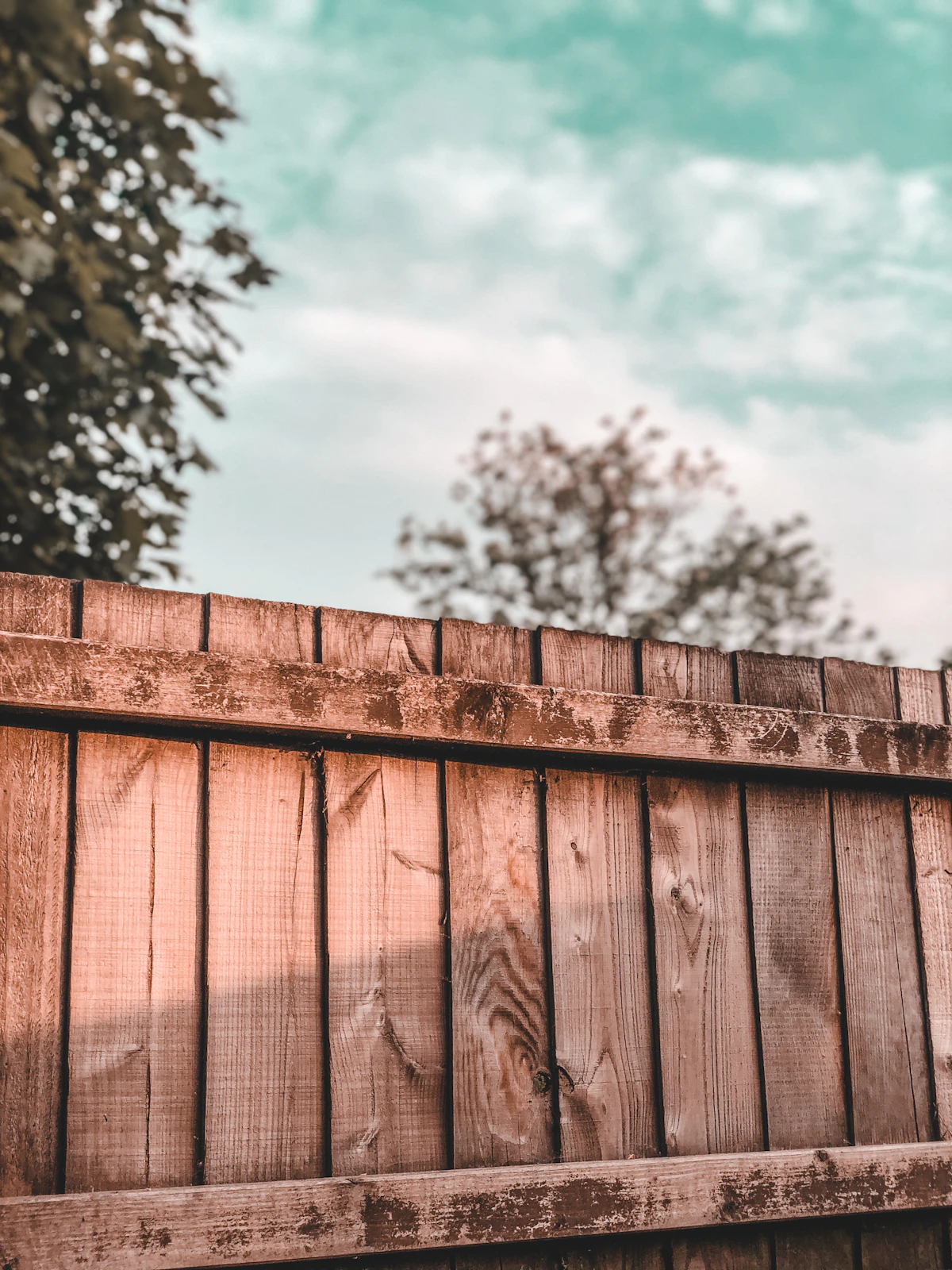
Atlantic hurricane season runs from June 1 through November 30, and the Rio Grande Valley doesn't need a direct hit to feel it. Tropical storms, outer rain bands and ordinary summer thunderstorms can all bring gusts strong enough to lay down a fence that was already weak.
Most fences that fall in a storm were failing before the storm arrived. A loose post, a rotted base or a gate hanging on one bad hinge gives the wind a place to start. The good news is that most of those problems are easy to spot and fix ahead of time.
Here's how to get your fence ready, what to do during a storm, and how to handle damage afterward.
Why fences fail in storms
A solid wood privacy fence acts like a sail. When wind hits it head-on, all that force goes into the posts. If the posts are shallow, rotted or loose in their footings, the fence leans and then falls, usually taking several sections with it.
Other common failure points:
- Rotted posts at the ground line, where moisture and termites do their damage
- Loose or rusted hardware on rails and gates
- Gates that act like big panels catching the wind
- Tree limbs hanging over the fence that break and fall on it
- Loose items in the yard, like patio furniture or trash cans, that get thrown into the fence
Metal and chain link fences let wind pass through, so they usually fare better. But privacy slats, windscreens and debris piled against them can turn them into sails too.
Before the season: a fence checkup
Spring or early summer is the best time to walk your fence line. Here's what to look for.
1. Push on every post
Go post by post and push firmly at the top. A solid post barely moves. If a post wobbles, leans or feels soft at the base, mark it. Loose posts can sometimes be reset in new concrete. Soft or rotted posts need to be replaced, ideally with galvanized steel posts that won't rot again.
2. Check the base of wood posts
Pull back mulch or soil at the base of a few wood posts. Dark, crumbling or soft wood right at the soil line is rot. Tiny tunnels or mud tubes can mean termites. Either way, that post won't hold in a strong wind.
3. Look at boards and rails
Loose boards, popped nails and cracked rails let sections flex and break apart. Re-fasten loose boards with exterior screws and replace cracked rails before storm season.
4. Test your gates
Gates take a beating in storms because they're large, heavy and only attached on one side. Make sure hinges are tight, the latch holds firmly and the gate doesn't sag or drag. A gate that rattles in normal wind will fight a storm and lose.
5. Trim trees and shrubs
Cut back dead or overhanging limbs that could break and land on the fence. Palms should have dead fronds and seed pods removed so they don't turn into flying debris.
6. Check metal fences for rust
On steel and iron fences, look closely at welds, the bottom rail and post bases. Rust weakens joints. Treat small spots and recoat them. Have badly rusted sections repaired or replaced.
If you find more than you want to fix yourself, a fence repair pro can reset posts, replace rotted ones and fix gates in a day or two.
When a storm is on the way
When a tropical system is forecast to bring strong winds to the Valley:
- Bring in or tie down loose items like patio furniture, grills, trash cans and toys.
- Latch and secure gates. Add a temporary tie or cane bolt if the gate tends to swing.
- Remove privacy slats or windscreens from chain link if you can do it safely. They catch a lot of wind.
- Don't climb or brace a fence in high wind. No fence is worth getting hurt over.
- Follow local emergency guidance. Your safety comes first, the fence second.
After the storm
Once it's safe to go outside:
- Stay away from downed power lines. If a line is touching your fence or on the ground nearby, keep clear and call the electric utility.
- Take photos of all damage before you move anything. Your homeowners insurance may cover fence damage from wind or falling trees, depending on your policy.
- Secure your pets. A damaged fence is an easy escape route.
- Clear debris carefully. Broken boards have nails and sharp edges.
- Get a repair quote. Leaning sections can sometimes be pushed back and reset if the posts are sound. Snapped or rotted posts need replacing.
After a big storm, local fence crews get busy fast. Calling early helps you get on the schedule sooner.
Building a fence that stands up to storms
If you're putting in a new fence or replacing a damaged one, a few choices make a big difference in how it handles wind:
- Deeper post holes with concrete footings
- Galvanized steel posts, even with wood panels
- Closer post spacing for tall or solid fences
- Shadowbox style instead of solid board, to let some wind through
- Heavy-duty gate hinges and a strong hinge post
Our guide to which fence lasts in the Valley heat compares wood, steel and chain link in more detail.
A simple yearly fence routine
Put these on your calendar and your fence will be ready long before the first storm forms in the Gulf:
- March or April: walk the fence line, push on every post and test the gates.
- May: make repairs, trim trees and palms, and reseal wood if it's been two or three years.
- June through November: after any big storm, walk the fence again and fix small problems before they spread.
- December: touch up rust spots on metal fences during the cooler, drier months.
Get your fence storm-ready
A quick checkup in spring can save you from a fallen fence in September. If you found loose posts, rot or a sagging gate, tell us what you're seeing and we'll connect you with a local McAllen fence pro who can fix it before the next storm.