Wood, Iron or Chain Link: Best Fence for Valley Heat
Every fence material looks good on install day. The real test is year five, after a few McAllen summers, a couple of tropical storms and a lot of humid nights. Some materials hold up. Some start to sag, rust or rot.
Here's an honest look at how the three most common fence types in the Rio Grande Valley stand up to local conditions, and how to choose the one that fits your yard and budget.
What the Valley does to a fence
Before comparing materials, it helps to know what they're up against:
- Heat and sun. Long, hot summers dry out wood, fade paint and break down cheap coatings.
- Humidity. Moist Gulf air speeds up rust on bare or poorly coated metal.
- Storms. Summer thunderstorms and hurricane season (June through November) bring strong gusts that push on solid fences.
- Termites. Wood posts in the ground are an easy target in South Texas.
- Moving soil. Parts of the Valley have clay soil that swells and shrinks with rain and drought, which can loosen posts.
Each material handles these differently.
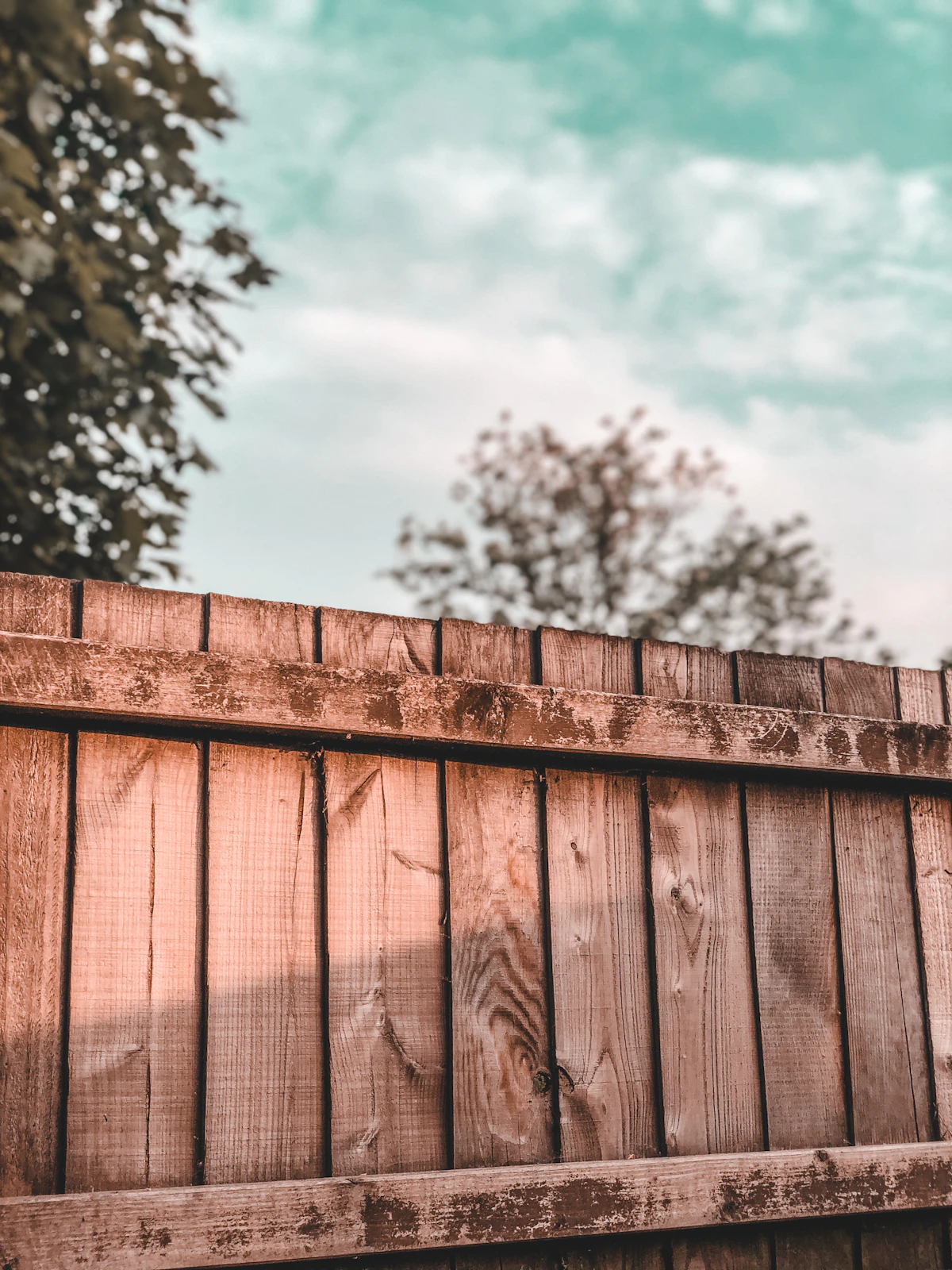
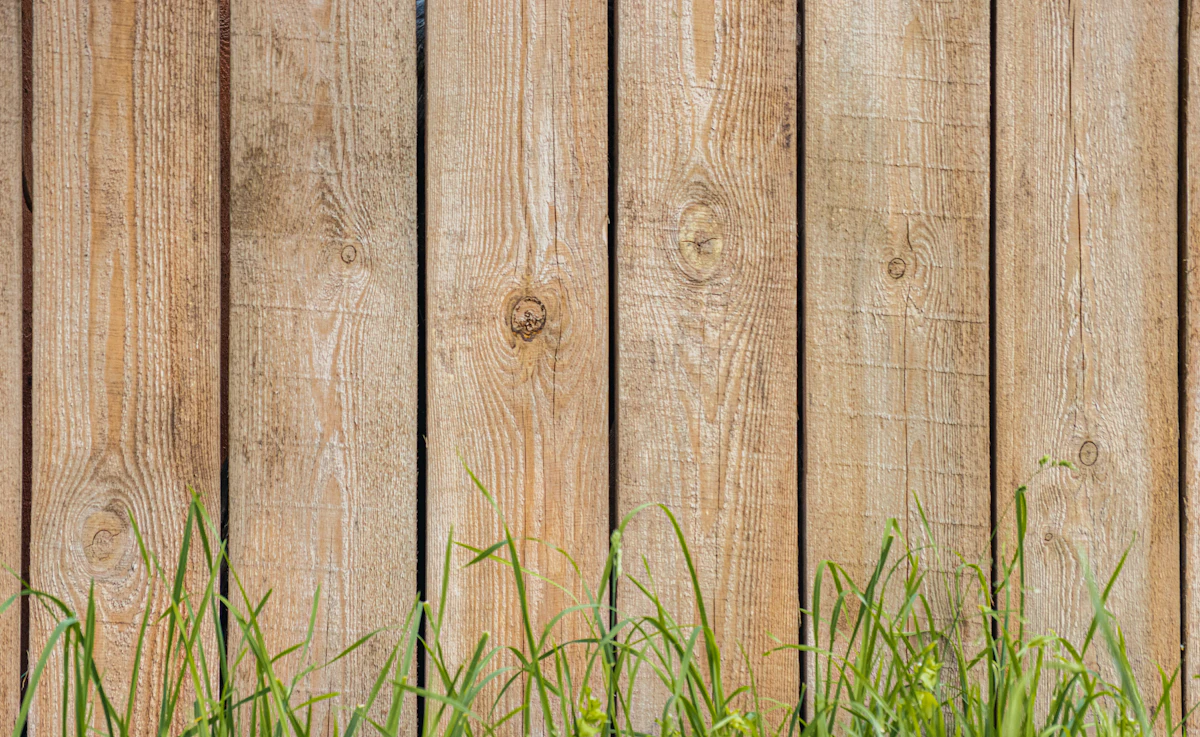
Wood privacy fences
The good
Wood is the go-to backyard fence in McAllen because it gives full privacy and a warm look at a mid-range price. It's easy to repair one board or one post at a time, and it pairs well with most homes.
The tough parts
The sun and dry heat pull moisture out of wood. Pine in particular can twist, crack and pull away from its nails as it dries. Unsealed wood turns gray within a year or two. Wood posts are the weak point: they tend to rot or get eaten by termites right at the ground line.
How to make wood last
- Choose cedar pickets if your budget allows. They hold their shape better and resist rot and insects.
- Use galvanized steel posts instead of wood posts. This is the single biggest upgrade for fence life in South Texas.
- Go with board-on-board construction so gaps don't open as boards shrink.
- Stain or seal every two to three years.
- Keep sprinklers and plants from keeping the bottom of the fence wet.
Built this way, a wood fence can last well over a decade in McAllen. Built cheaply with wood posts and no sealing, it may need major repairs in five to eight years.
See our wood privacy fence page for styles and options.
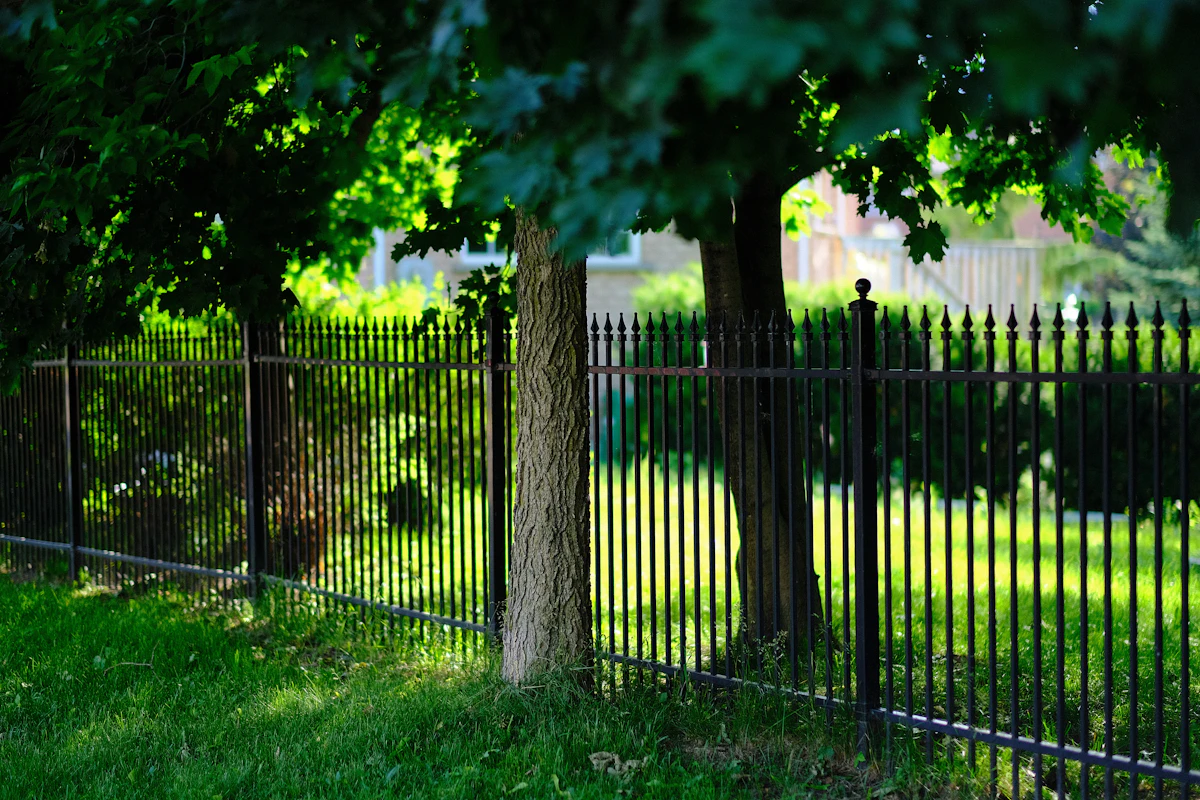
Steel and wrought iron fences
The good
Metal fences are strong, secure and don't rot or attract termites. They're common across the Valley for front yards, pools and driveways, often paired with brick or block columns. They let breezes through, so wind is less of a problem than with solid wood.
The tough parts
Rust is the enemy. Bare steel or steel with a thin coat of paint will start to rust at the welds and bottom rail within a season or two in the humid air. Metal also costs more per foot than wood or chain link, and it doesn't give privacy.
How to make metal last
- Ask for powder-coated or galvanized steel, or choose aluminum, which can't rust.
- Touch up chips and scratches right away, before rust spreads under the coating.
- Keep sprinklers off the bottom rail.
- Rinse the fence a couple of times a year to clear dust and fertilizer spray.
A well-coated steel fence can last for decades with very little work. See our wrought iron fence page for styles.
Chain link fences
The good
Chain link is the budget-friendly workhorse of Valley fencing. Galvanized chain link handles heat, humidity and termites with almost no upkeep. It's quick to install, follows slopes easily and lets wind pass straight through, so it rarely blows down in storms.
The tough parts
It doesn't offer privacy or much curb appeal on its own. Privacy slats help with the view but catch wind, which puts more stress on the posts. Cheaper, thin-gauge mesh can bend or sag over time.
How to make chain link last
- Choose a thicker wire gauge if you have big dogs or kids who climb.
- Consider black vinyl-coated chain link for a cleaner look and extra rust protection.
- If you add slats, ask for heavier posts or closer post spacing.
See our chain link fence page for heights and options.
Side-by-side comparison
| Wood privacy | Steel / iron | Chain link | |
|---|---|---|---|
| Privacy | Full | Little to none | None (slats help) |
| Cost per foot | Mid | High | Low |
| Upkeep | Seal every 2–3 years | Touch up chips | Almost none |
| Termites | At risk with wood posts | No | No |
| Rust | Hardware only | At risk if poorly coated | Low with good coating |
| Wind | Catches the most wind | Lets wind through | Lets wind through |
Which one should you choose?
Pick wood privacy if you want full privacy in the backyard and you're willing to seal it every few years. Upgrade to steel posts if you can.
Pick steel or iron for front yards, pools and driveways where you want security and curb appeal without hiding your home.
Pick chain link when budget and durability matter more than looks, like side yards, back property lines, dog runs and large lots.
Many McAllen homes mix all three: iron out front, wood privacy around the backyard and chain link along the back line. That gives you privacy where you need it without paying privacy prices everywhere.
Get an honest recommendation
The best fence for your yard depends on what you want it to do, your HOA rules and your budget. A local installer can walk your yard and quote more than one option so you can compare.
Tell us about your fence and we'll connect you with a McAllen installer who builds the type you're considering. Wondering about the budget side? Read how much a fence costs in McAllen.